01
How long does a session take?
About two hours. A theatre actor after one strong look can be done sooner; a film actor building range, or working to looks an agent has specified, runs longer. Hair and makeup adds sixty to ninety minutes, and another twenty to thirty per look if the makeup changes between them.
02
How many looks should I get?
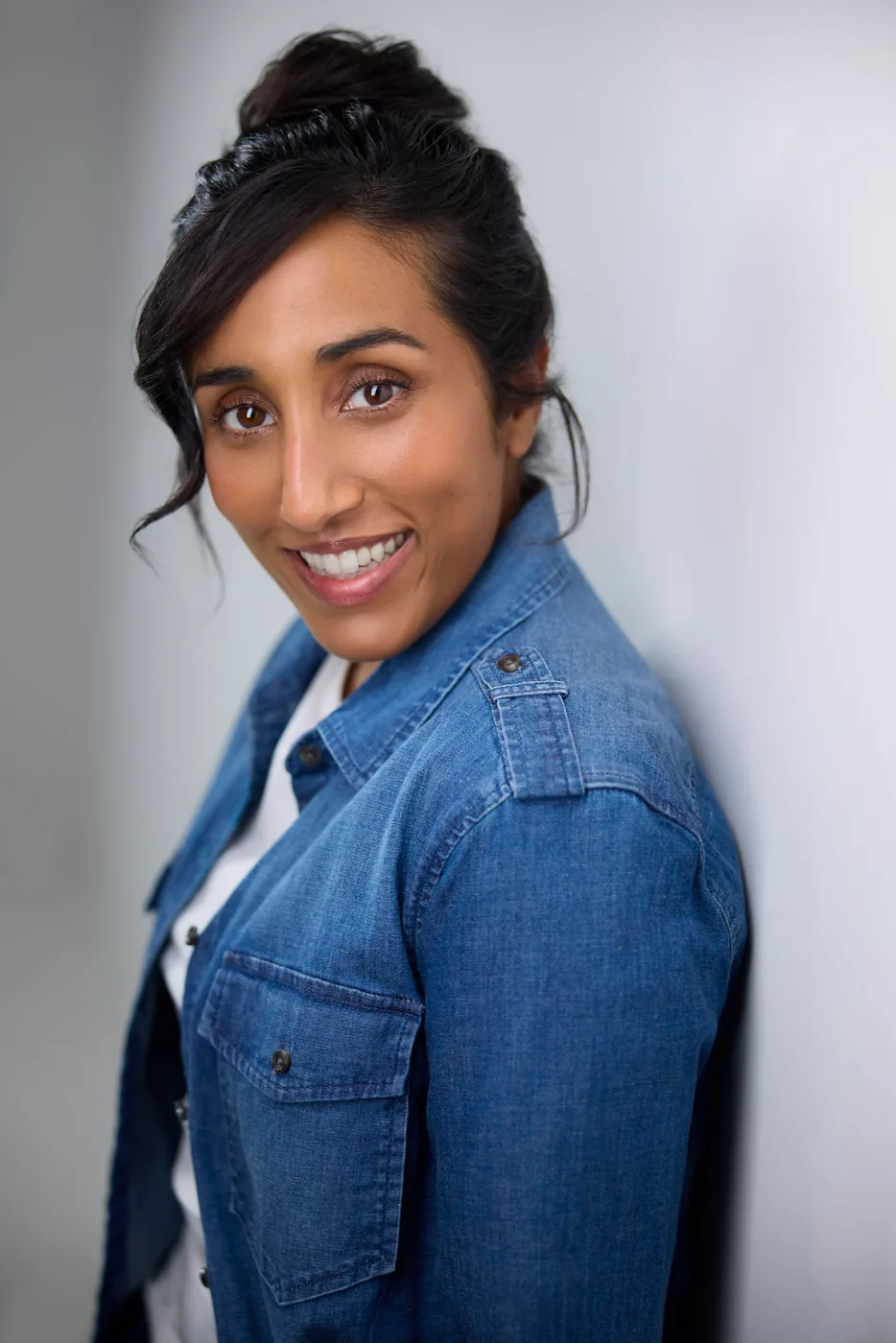
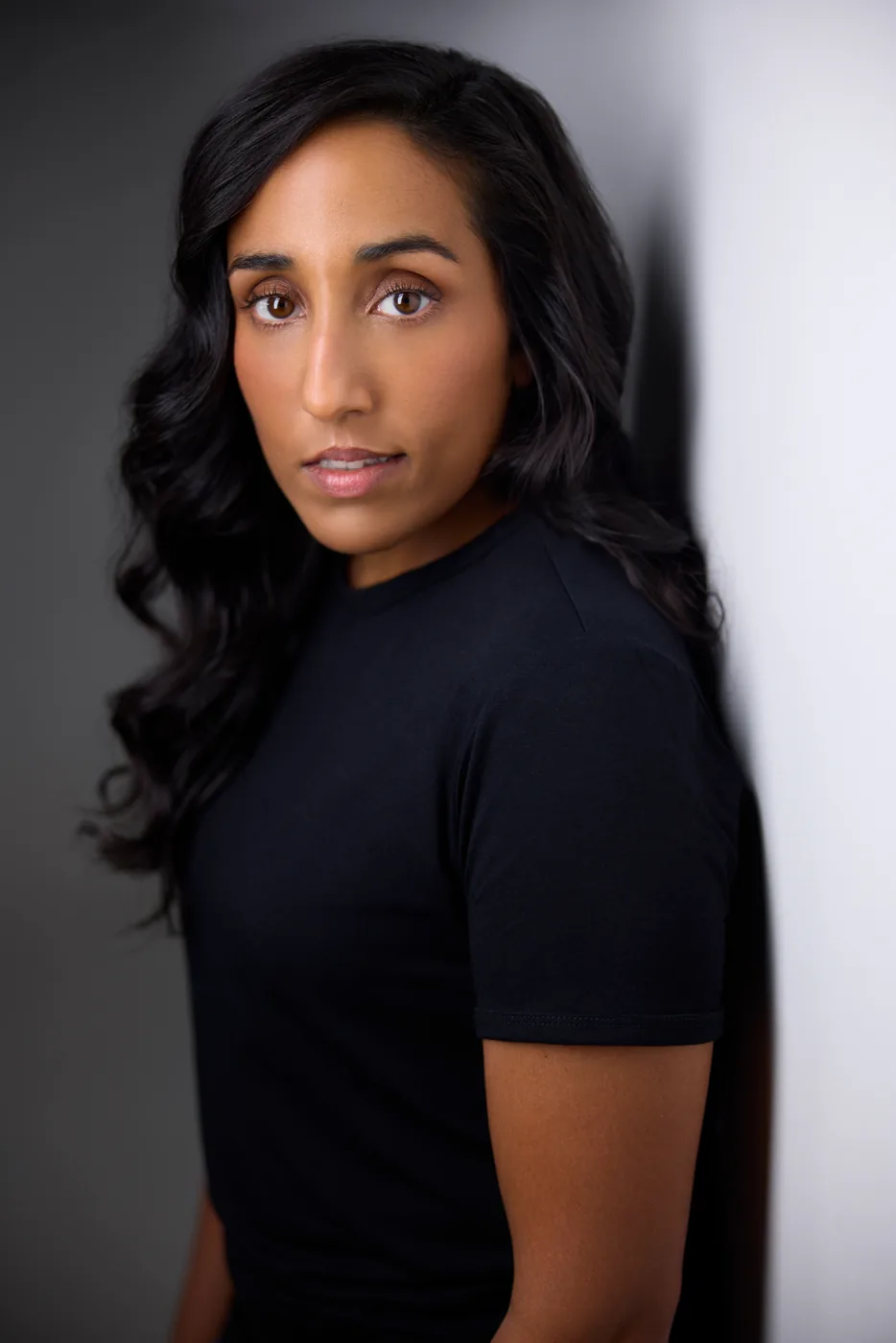
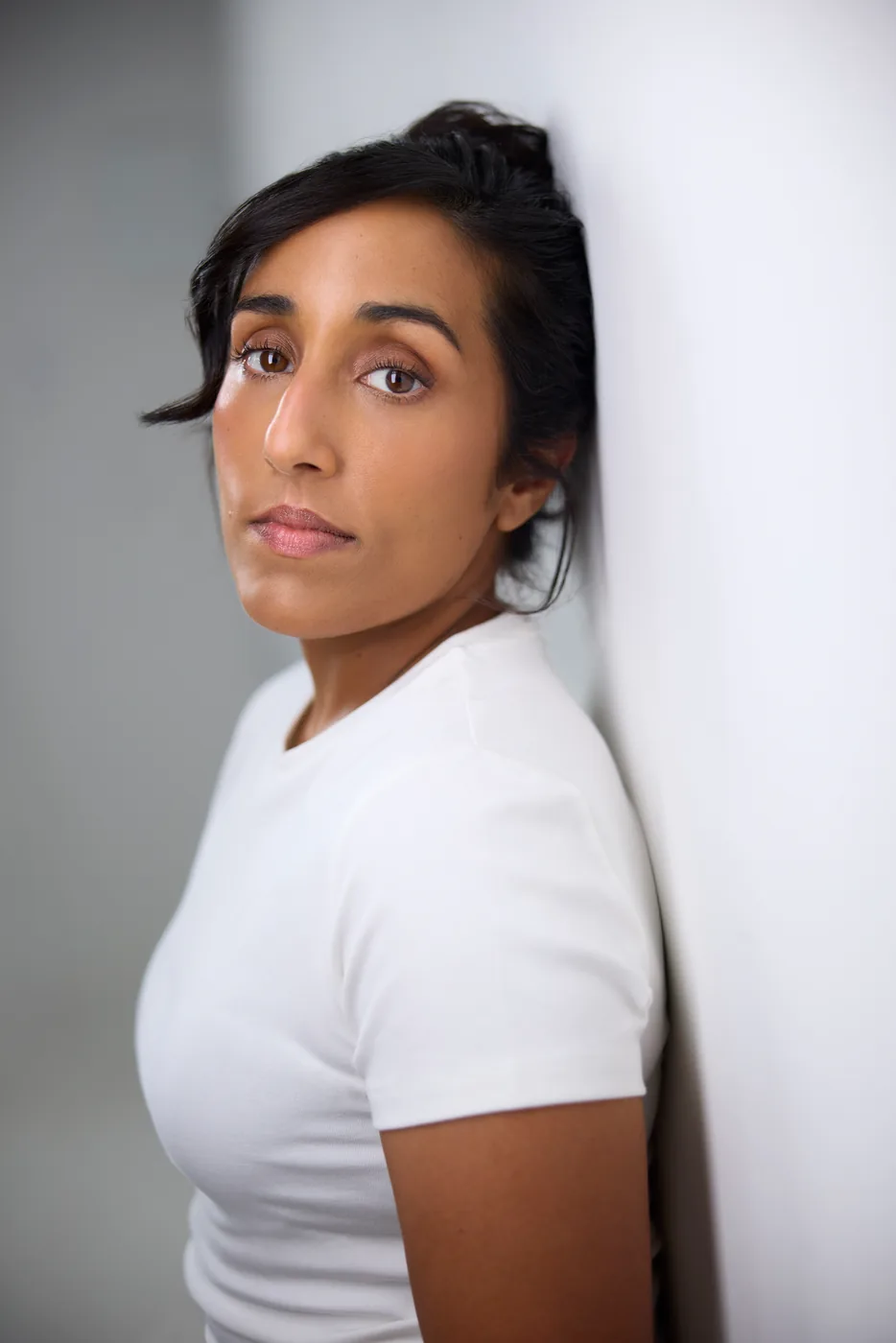
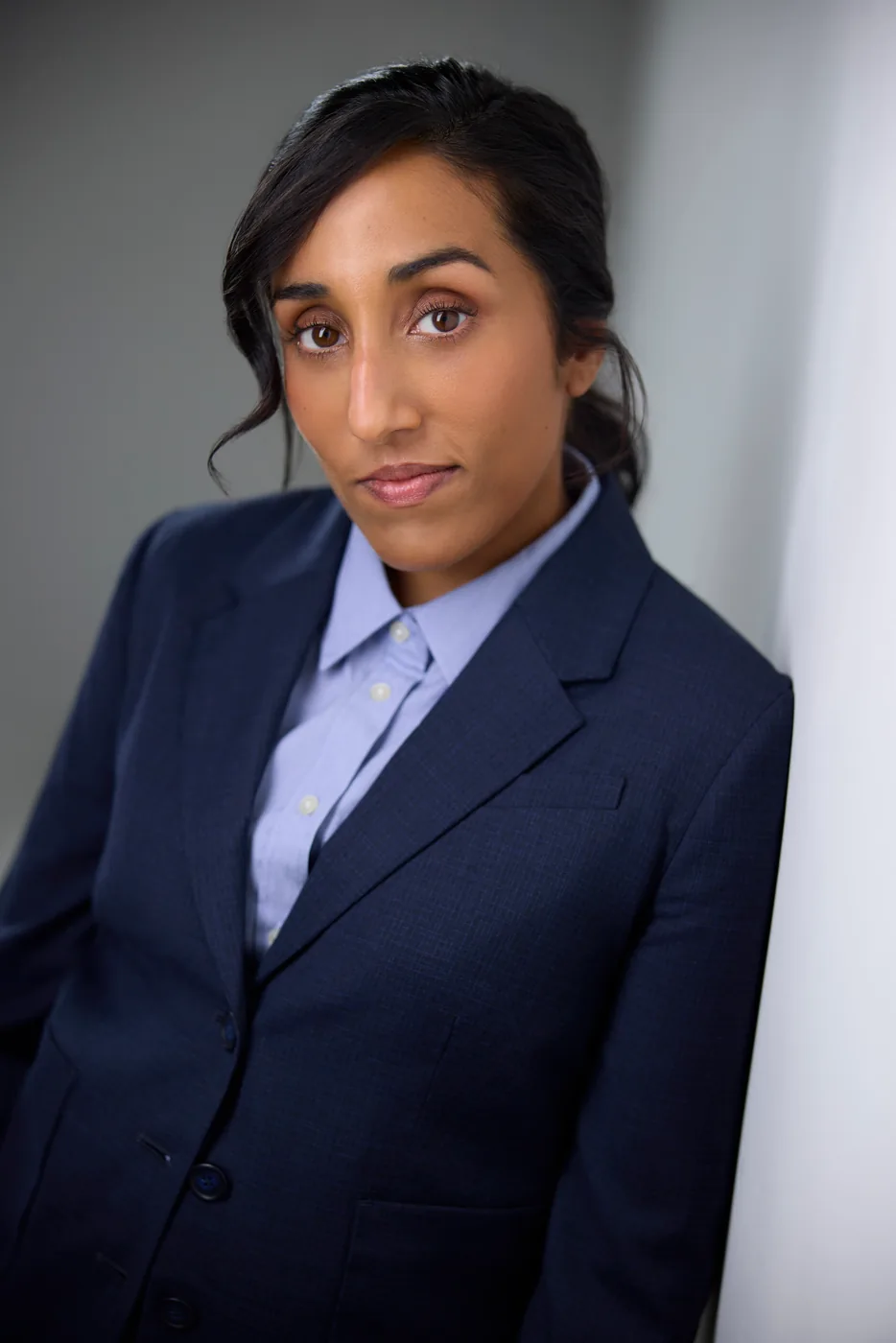
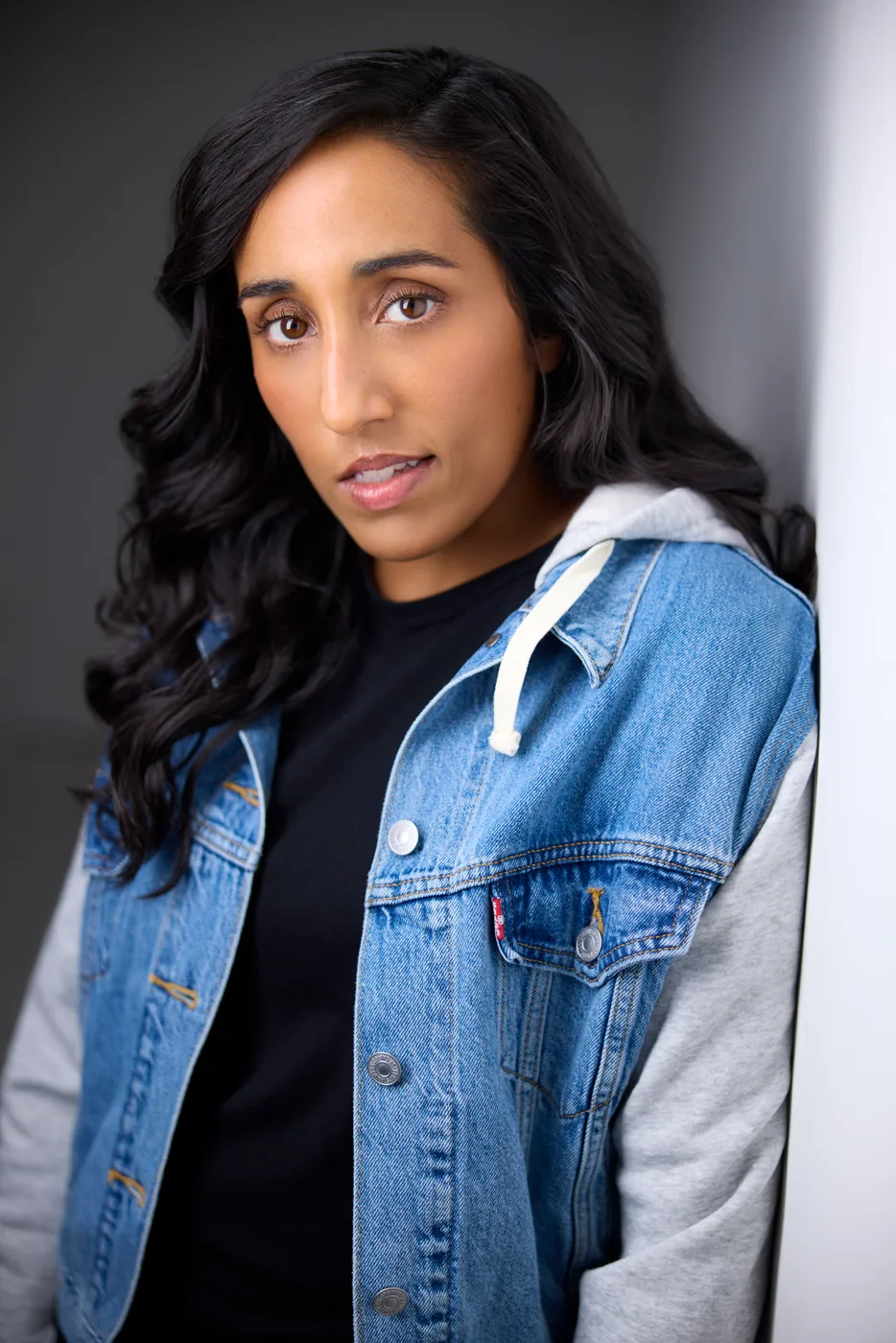
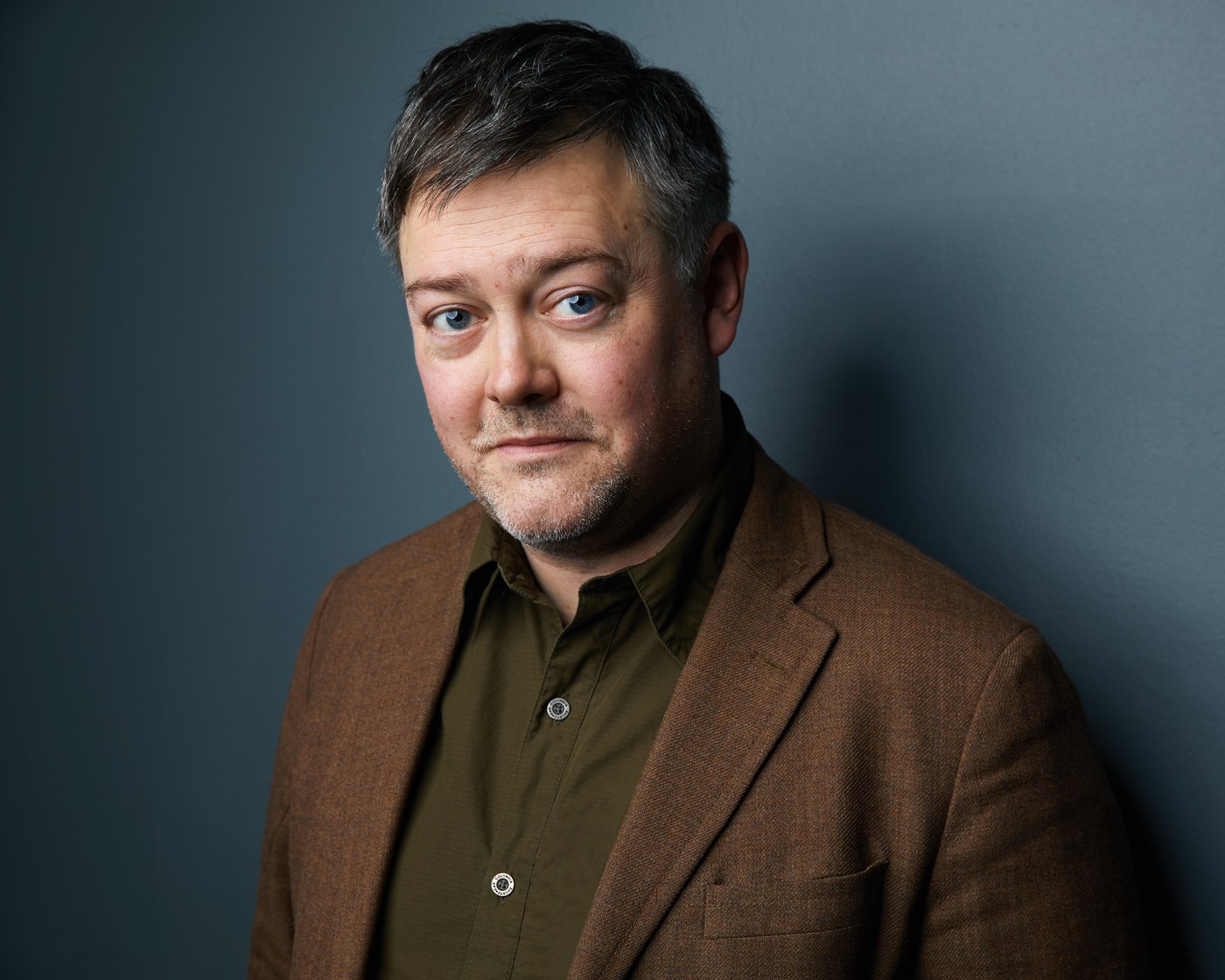
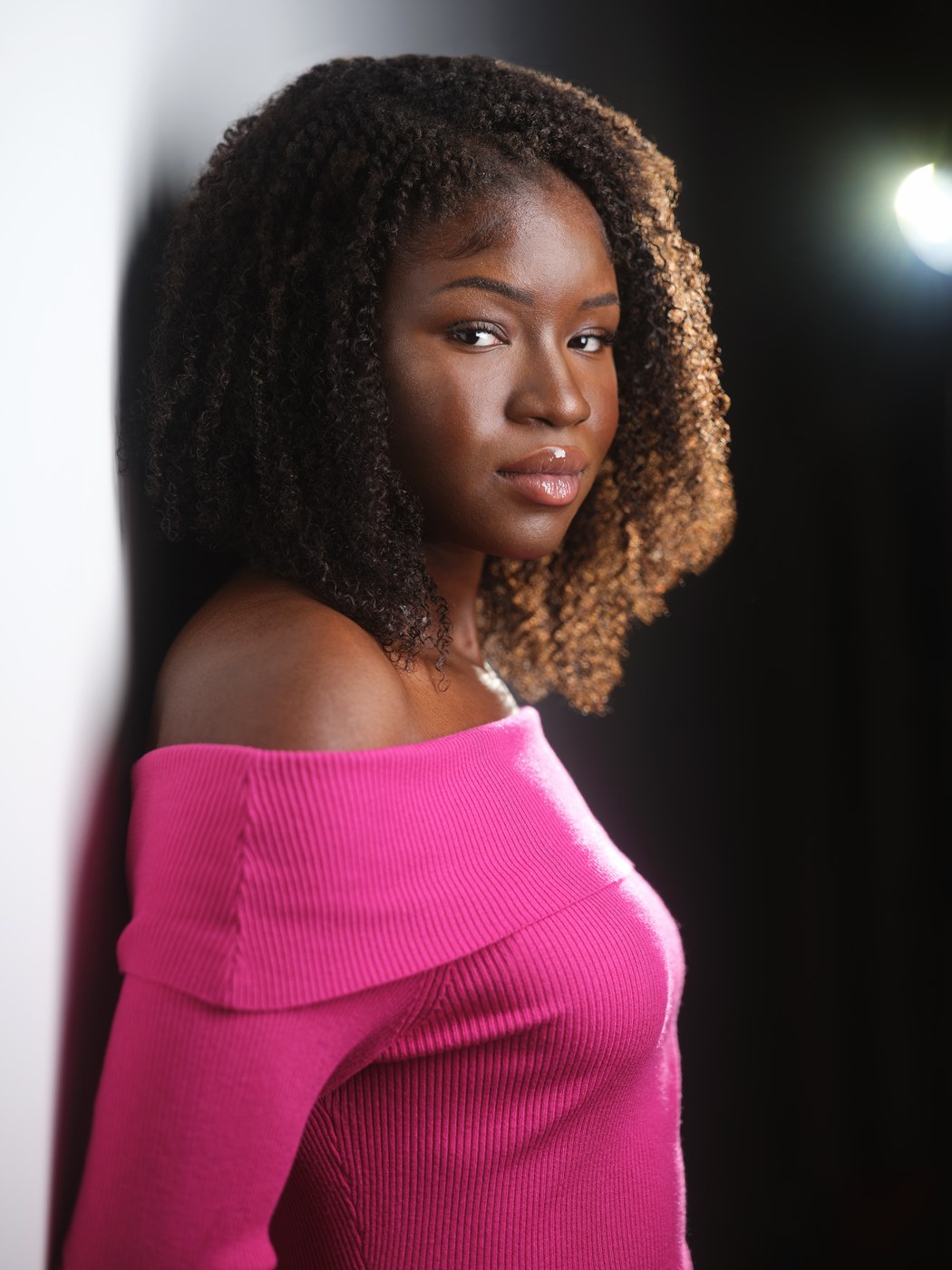
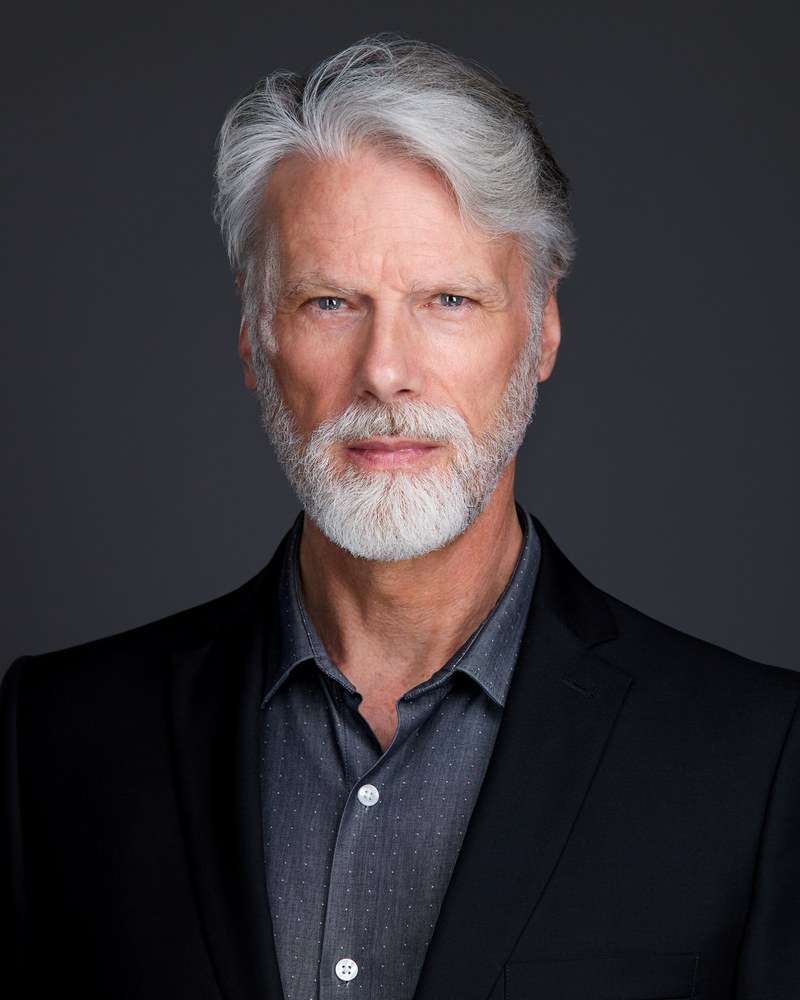
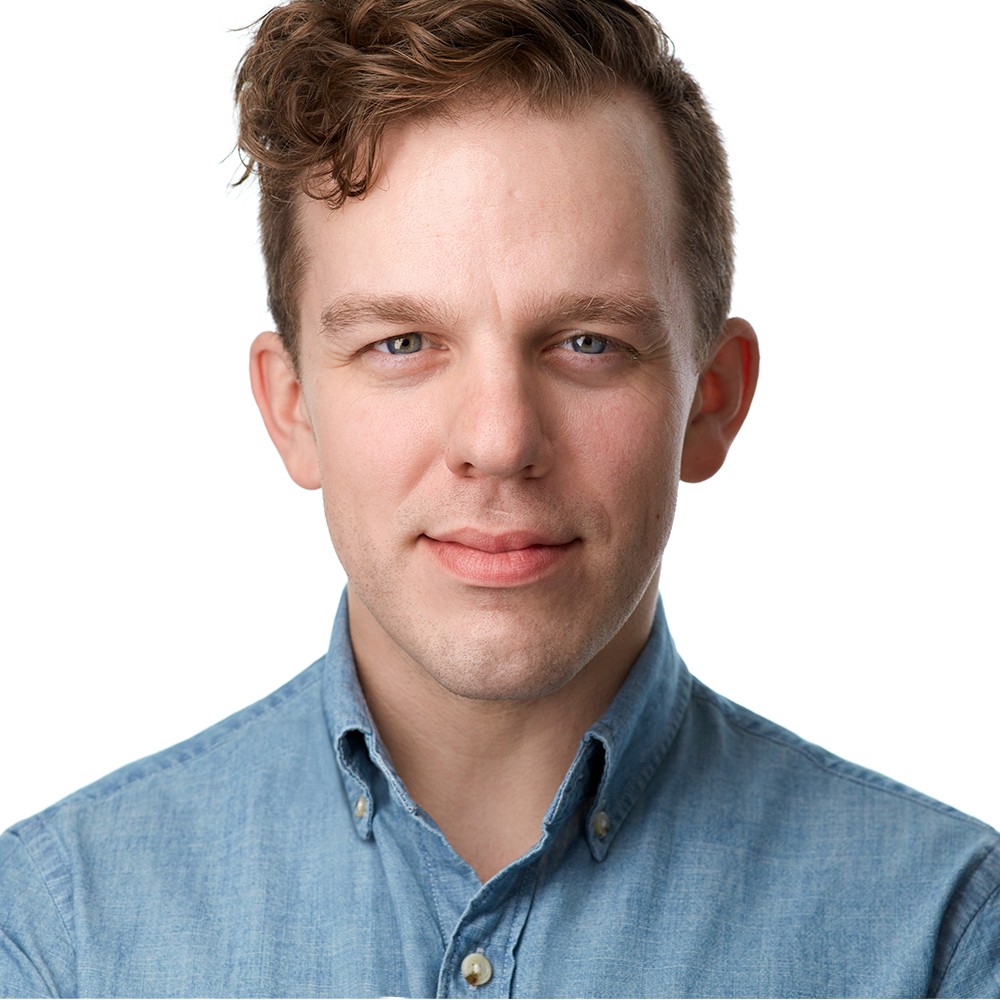
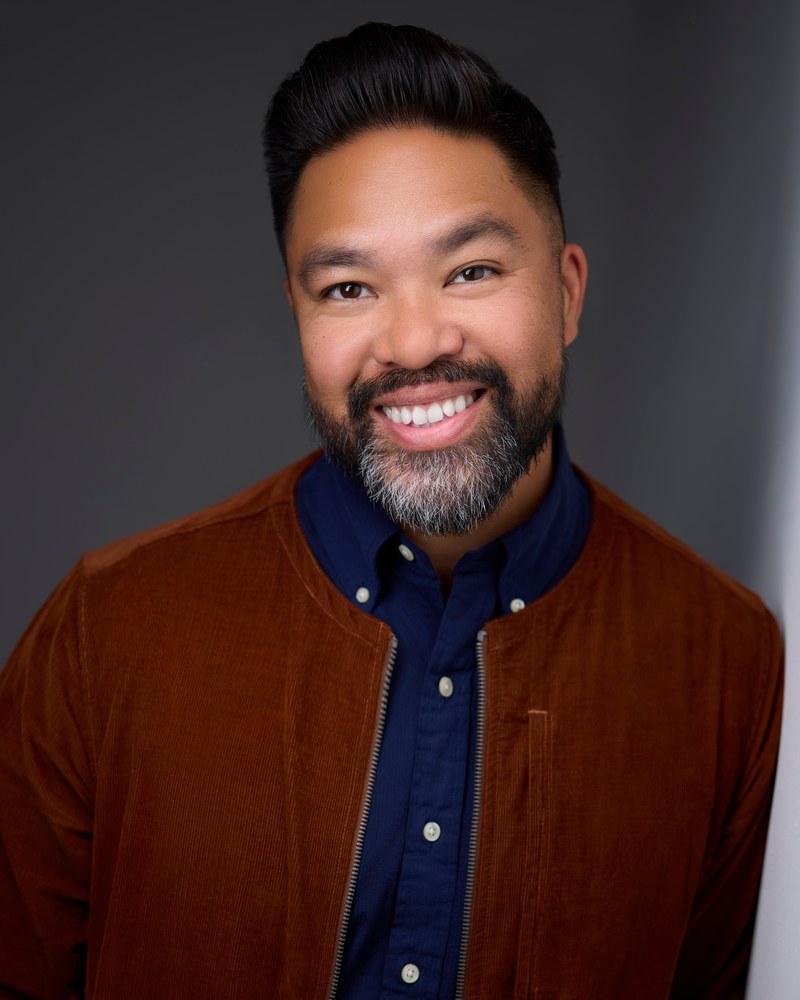
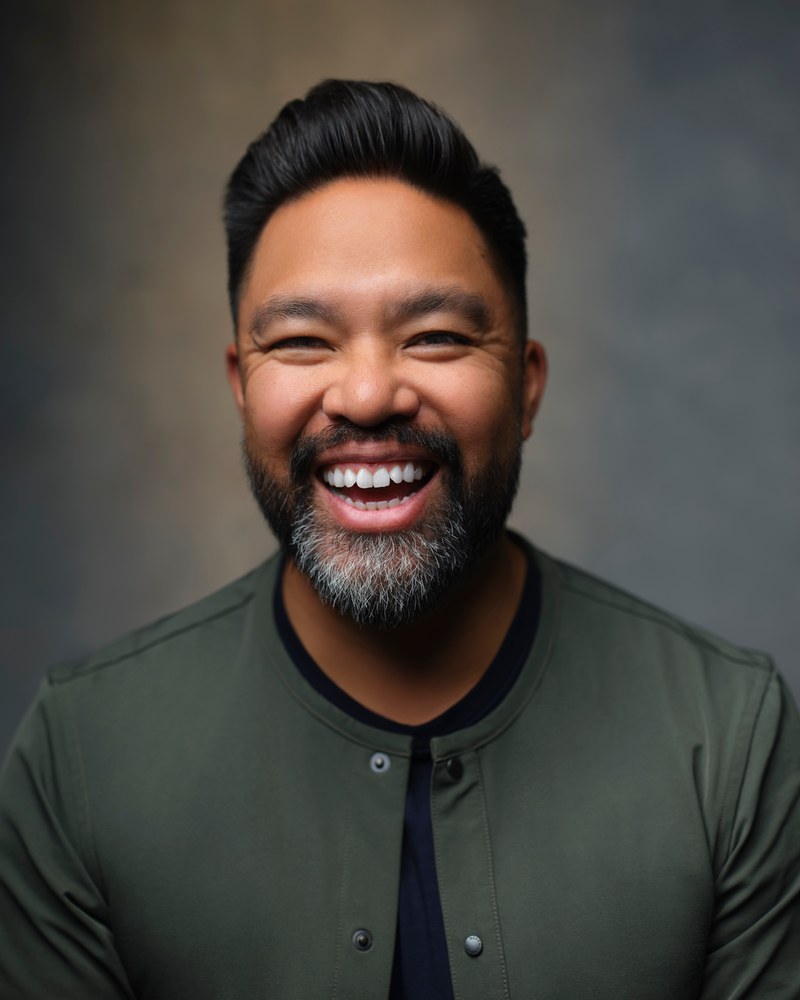
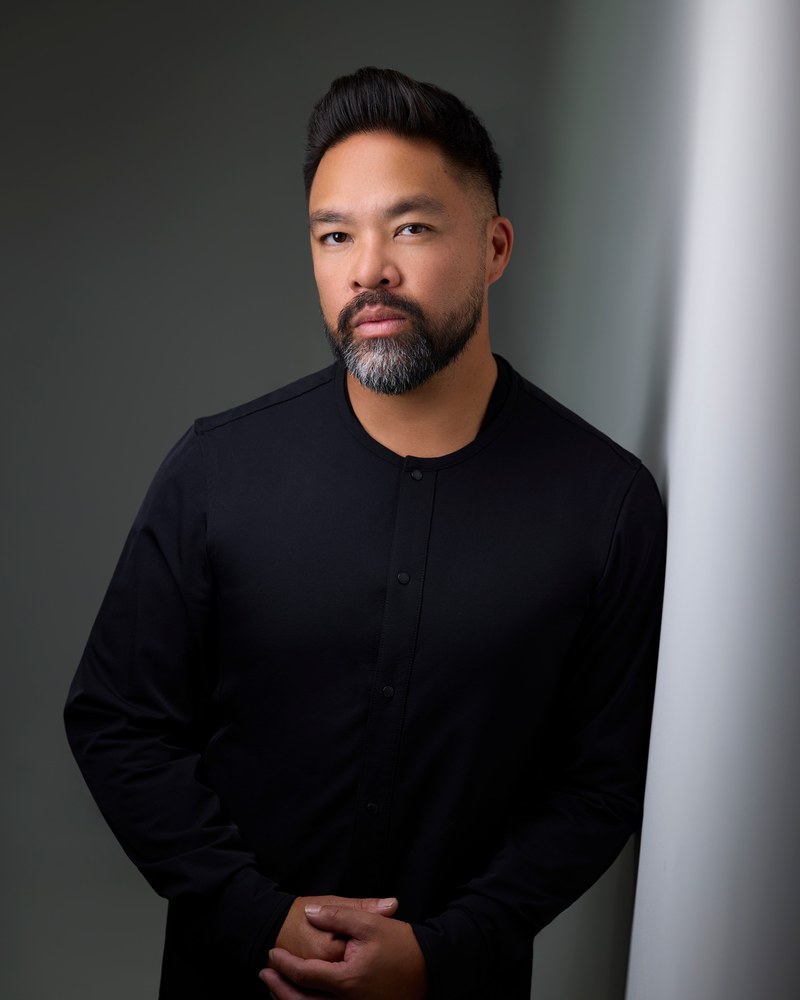
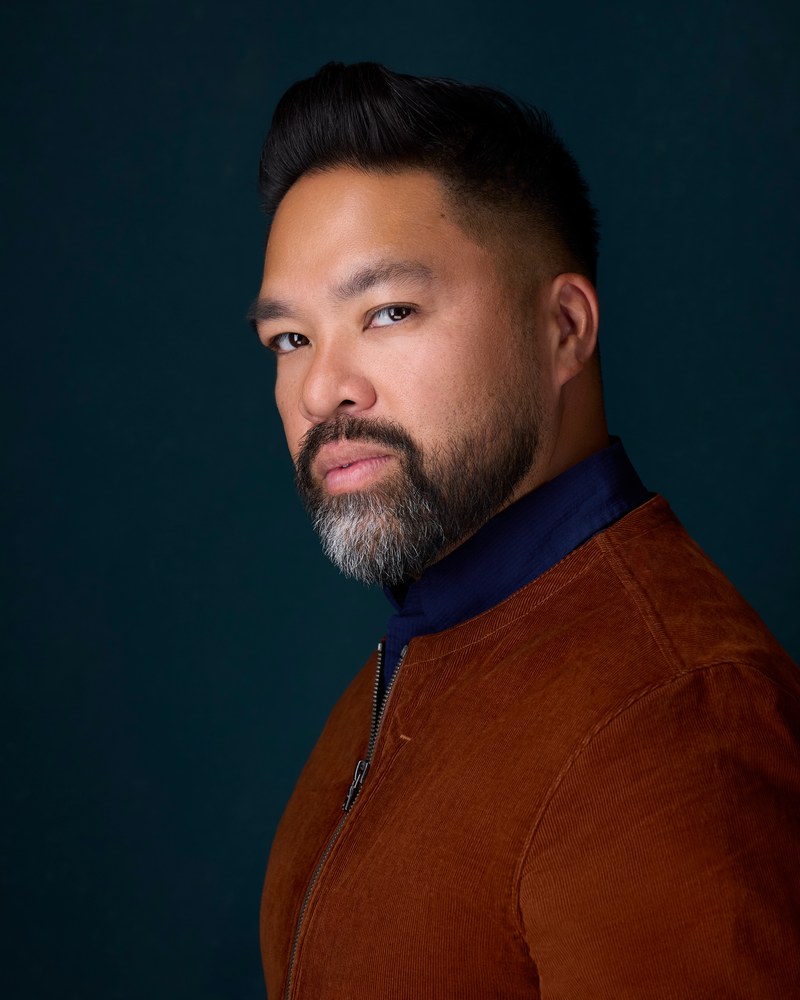
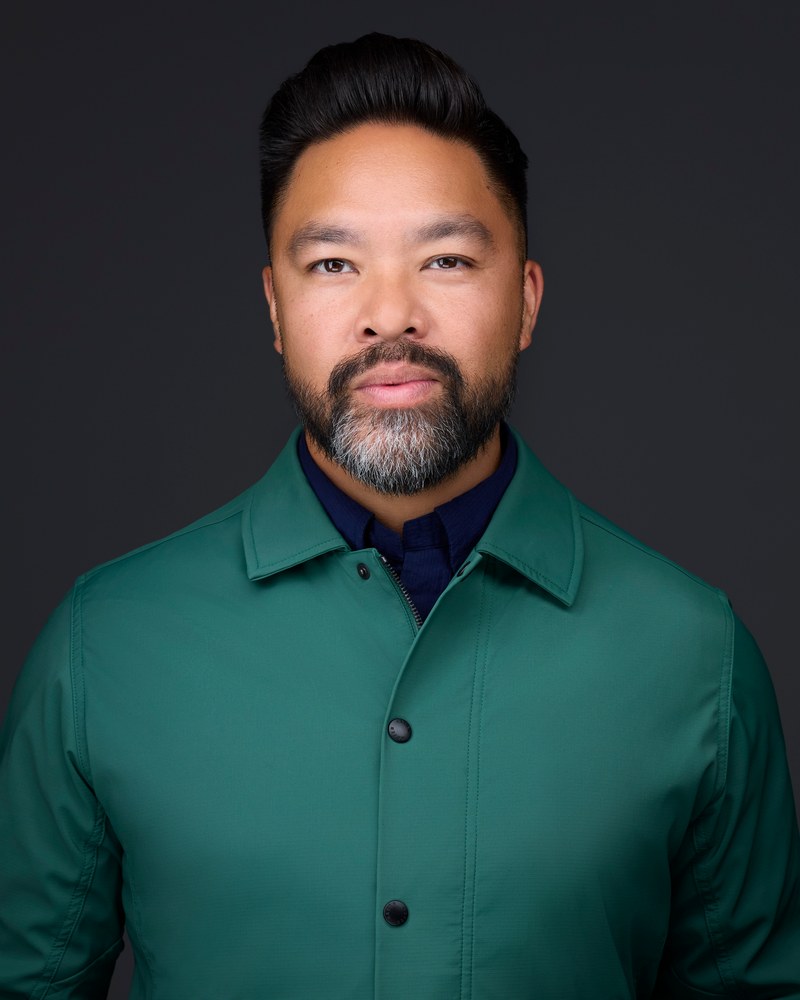
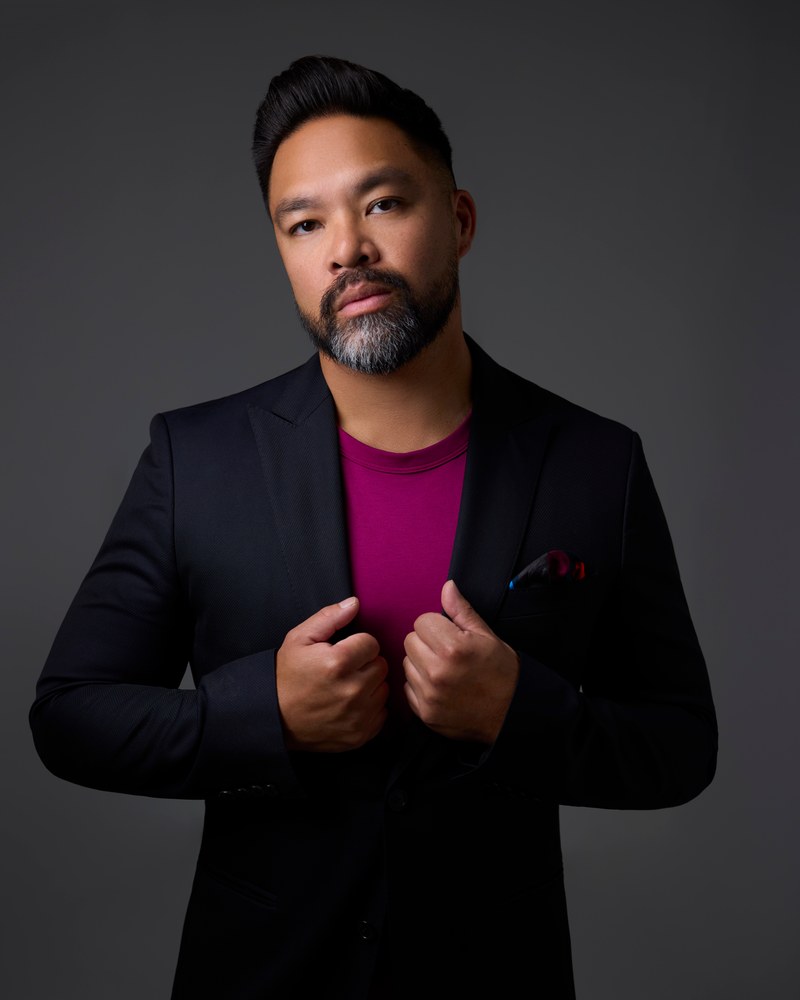
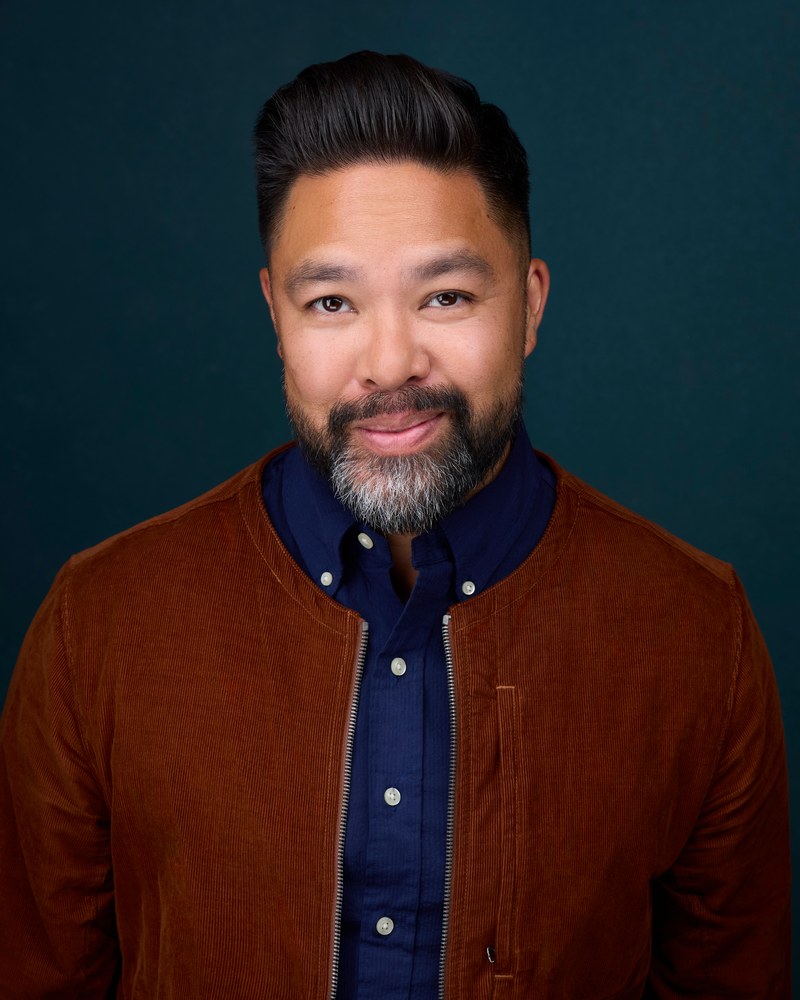
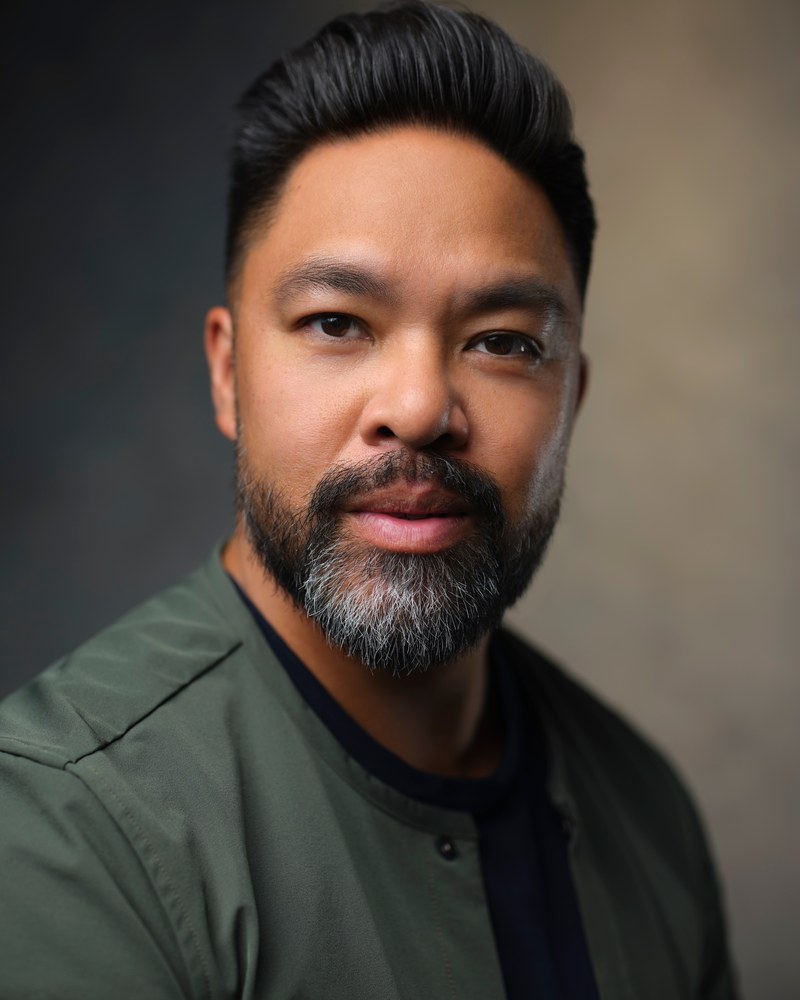
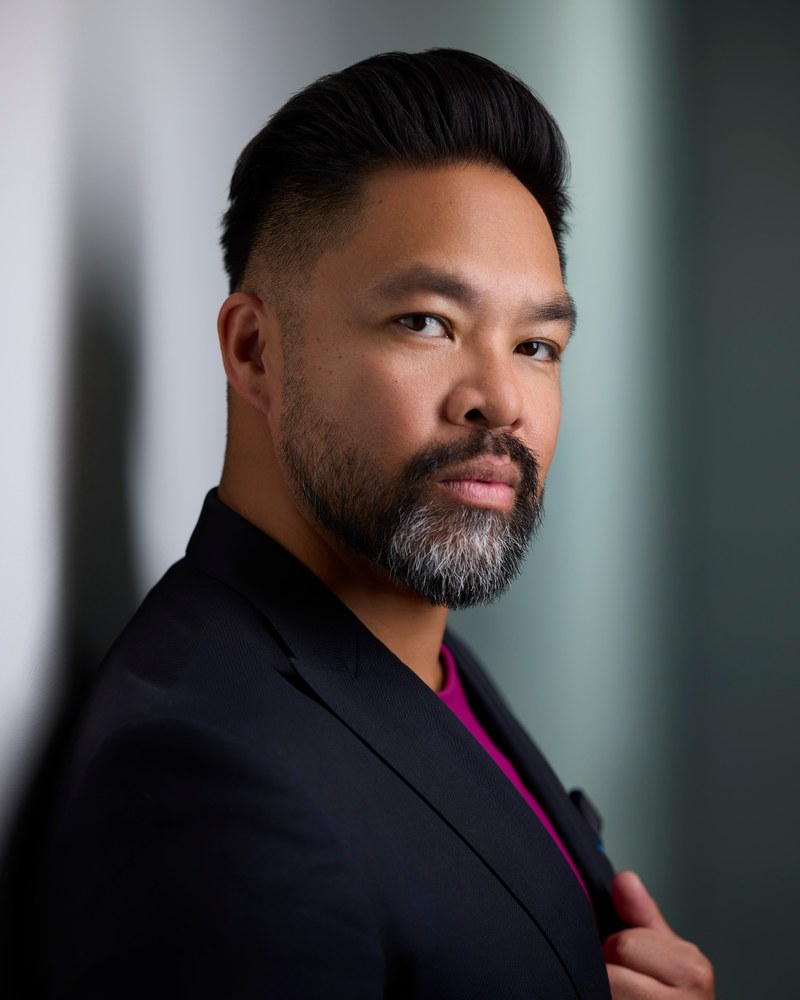
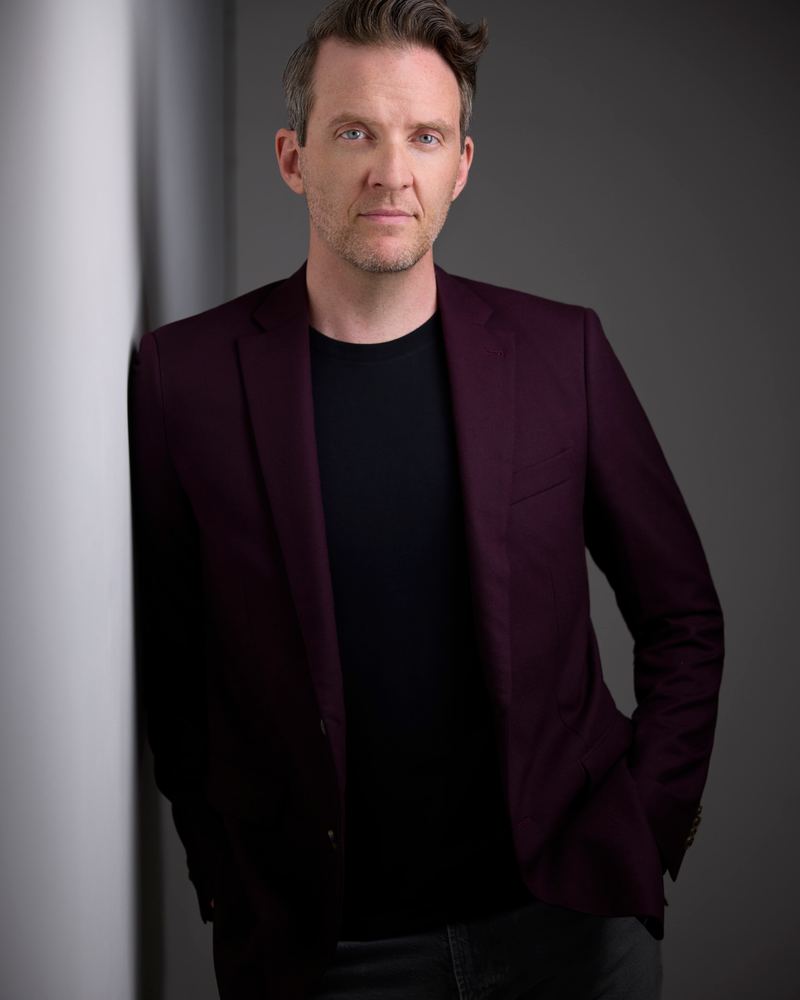
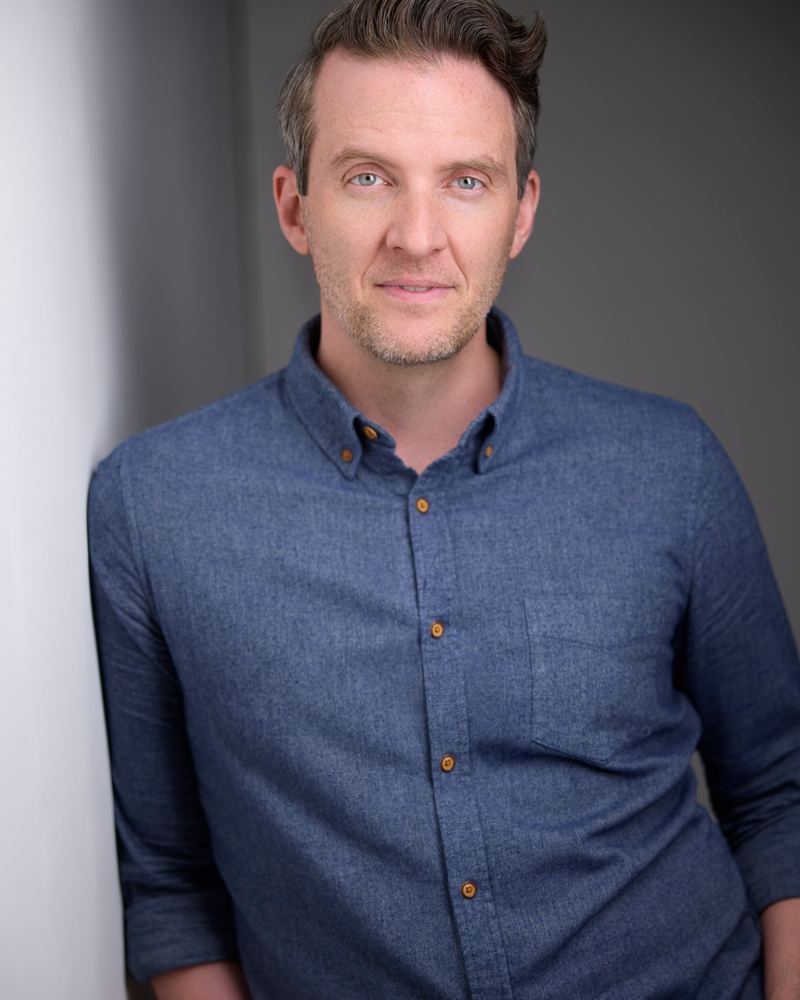
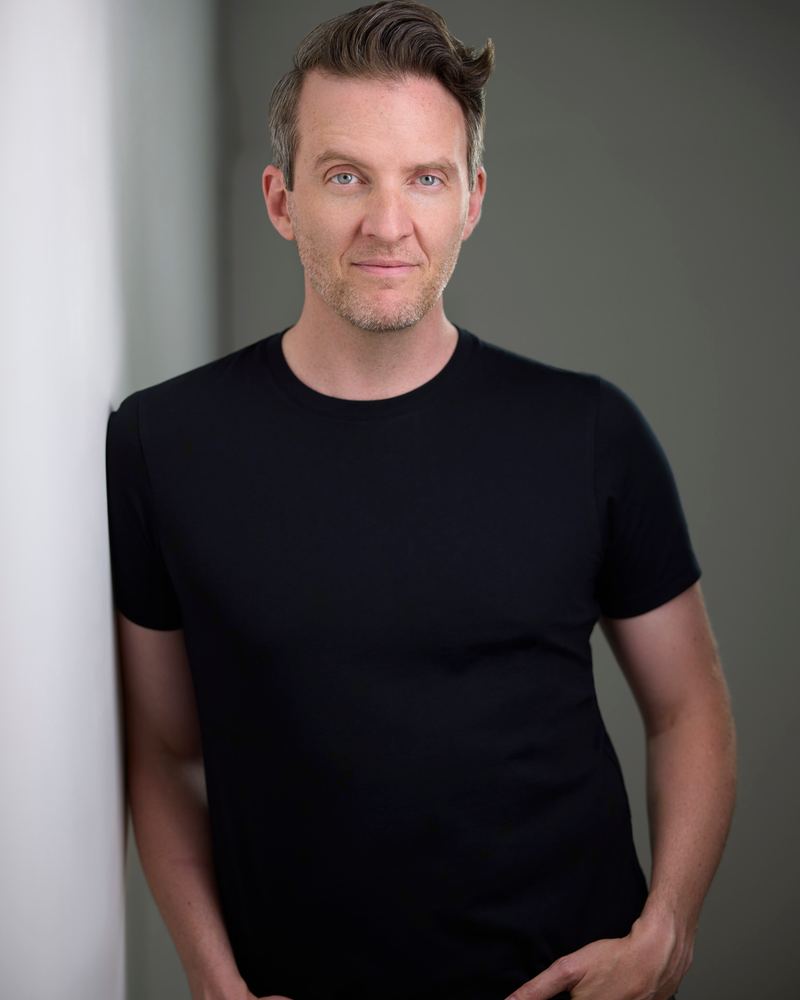
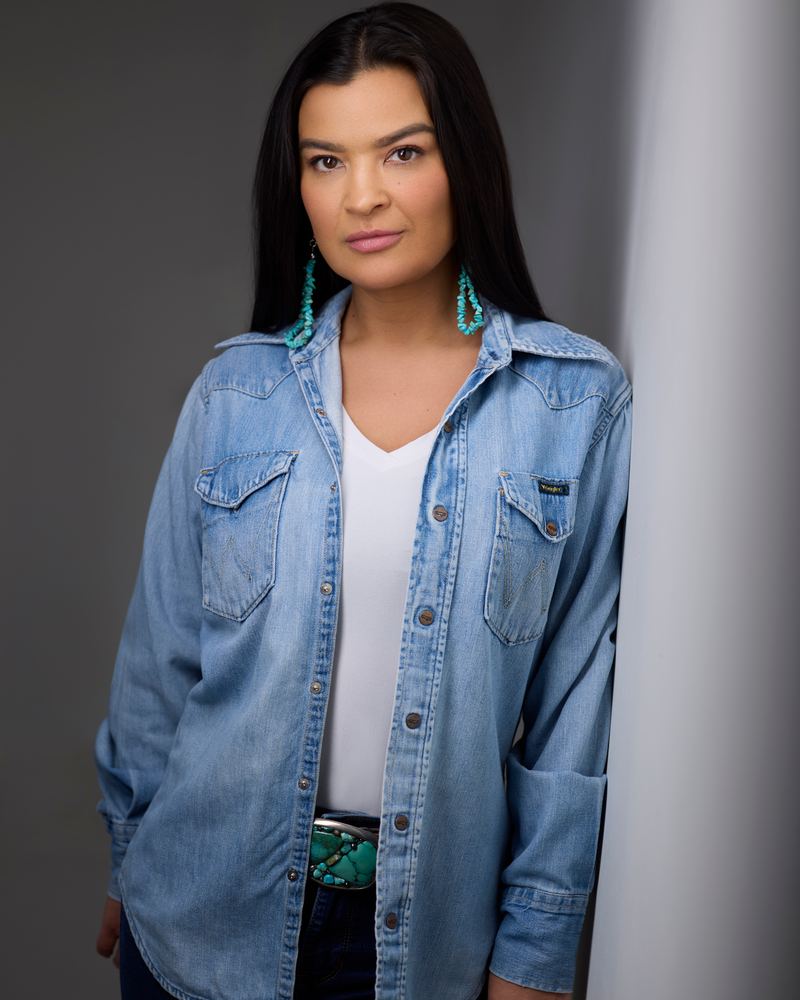
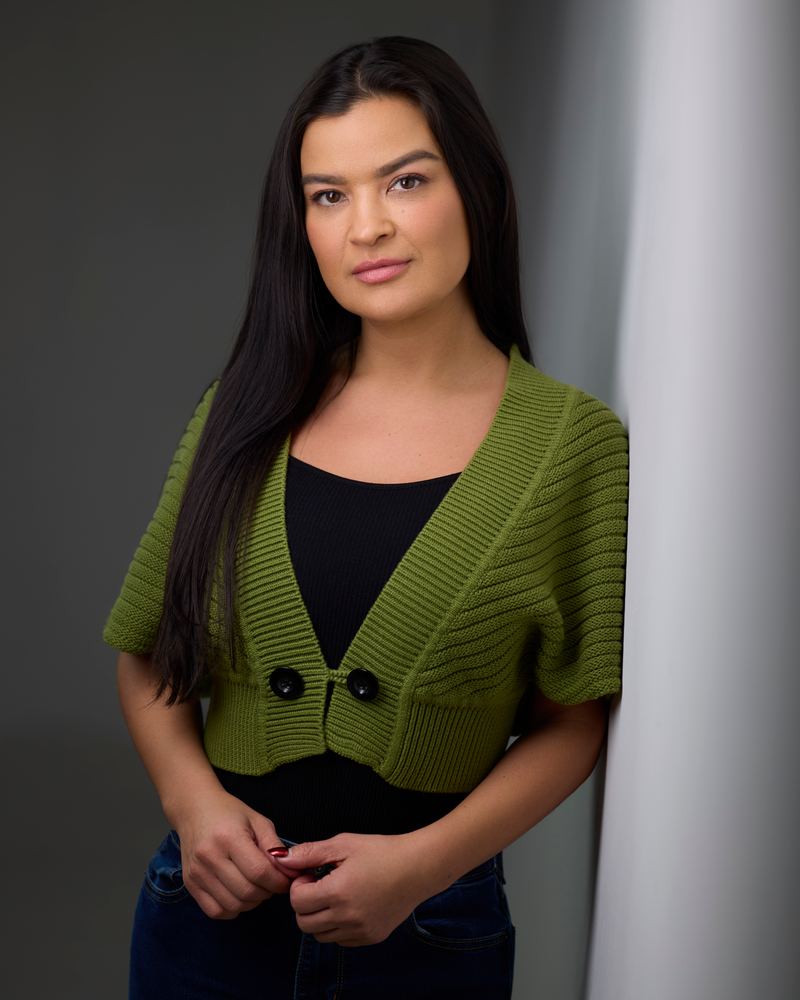
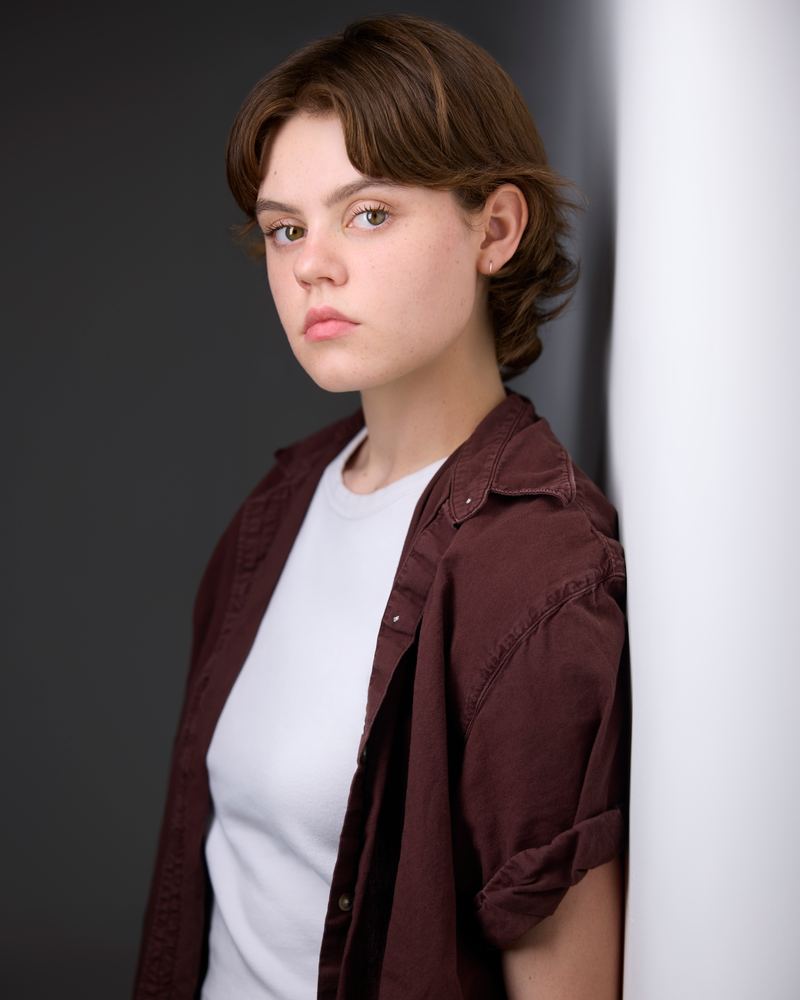
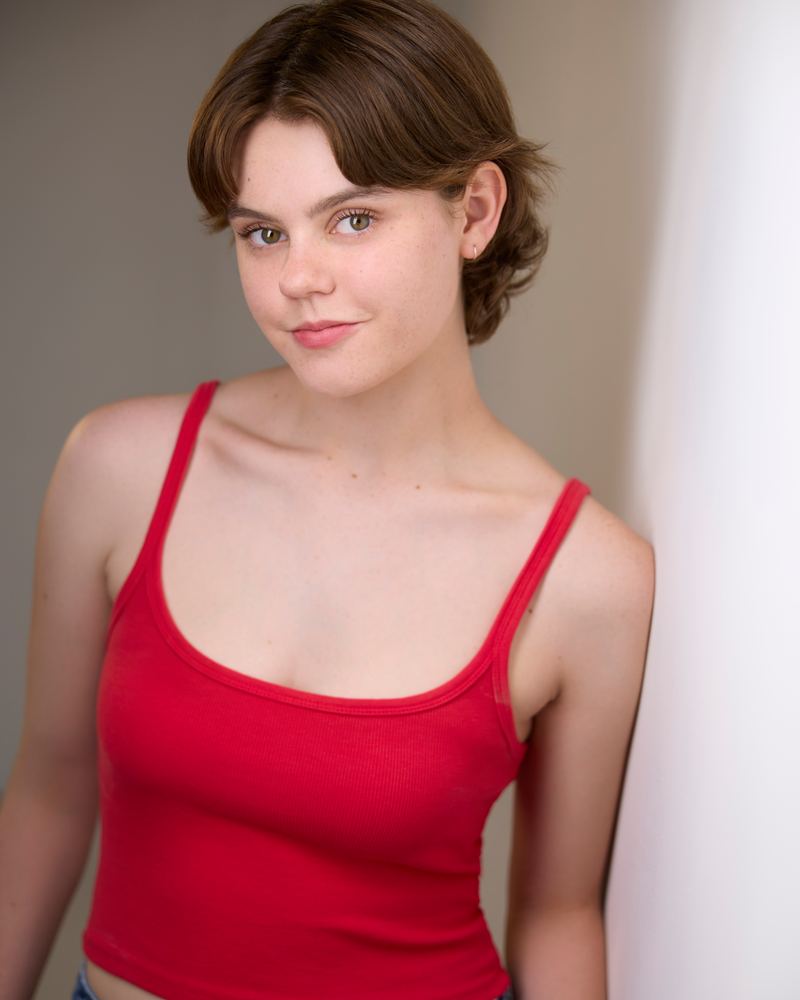
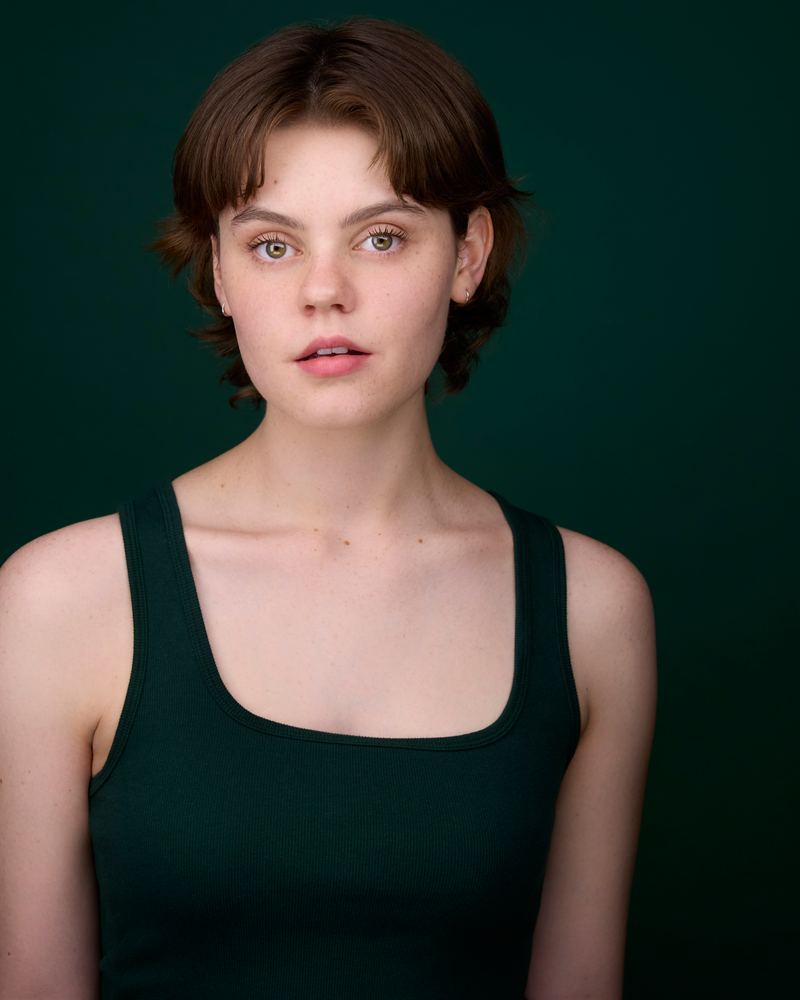
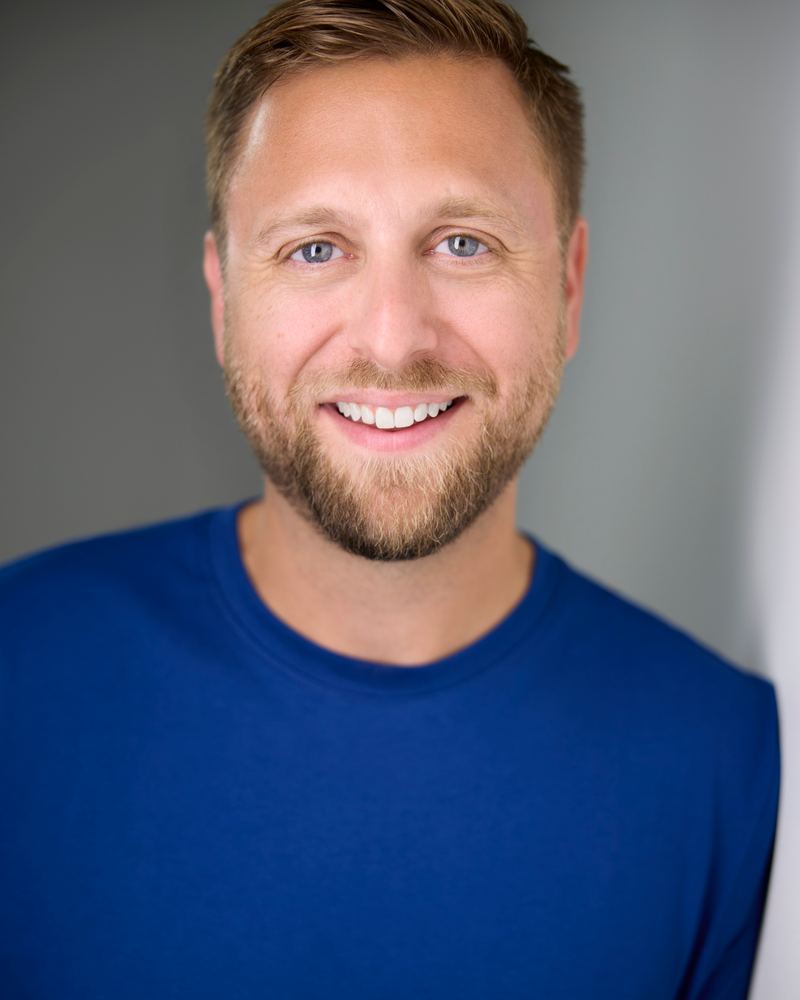
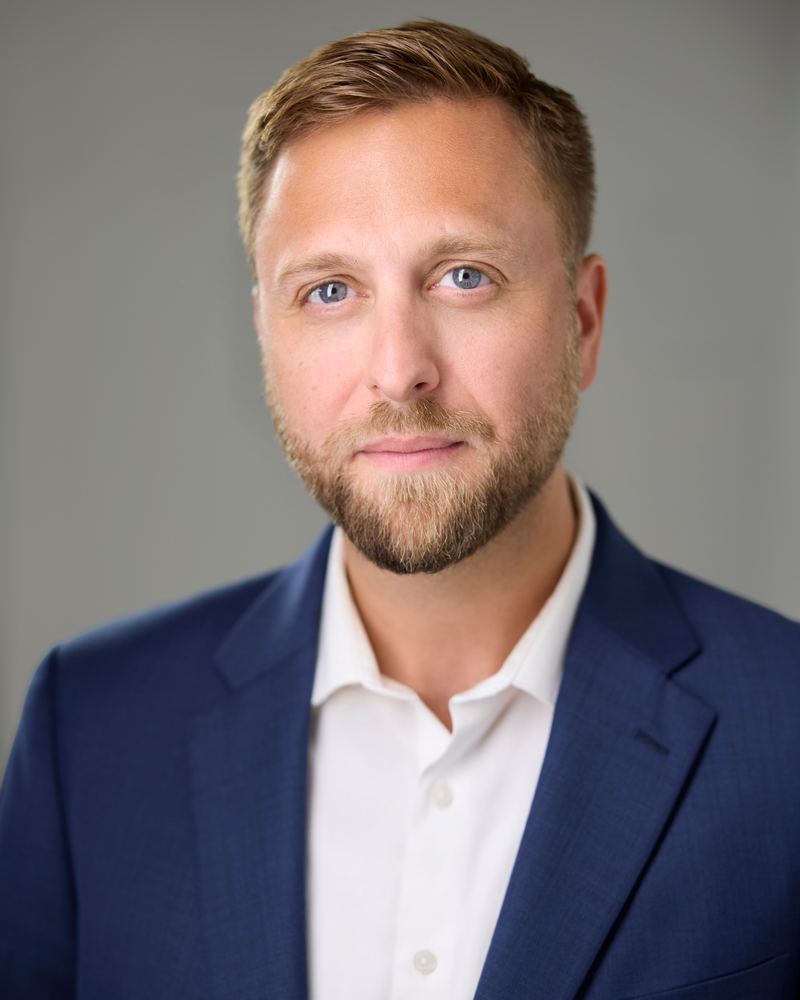
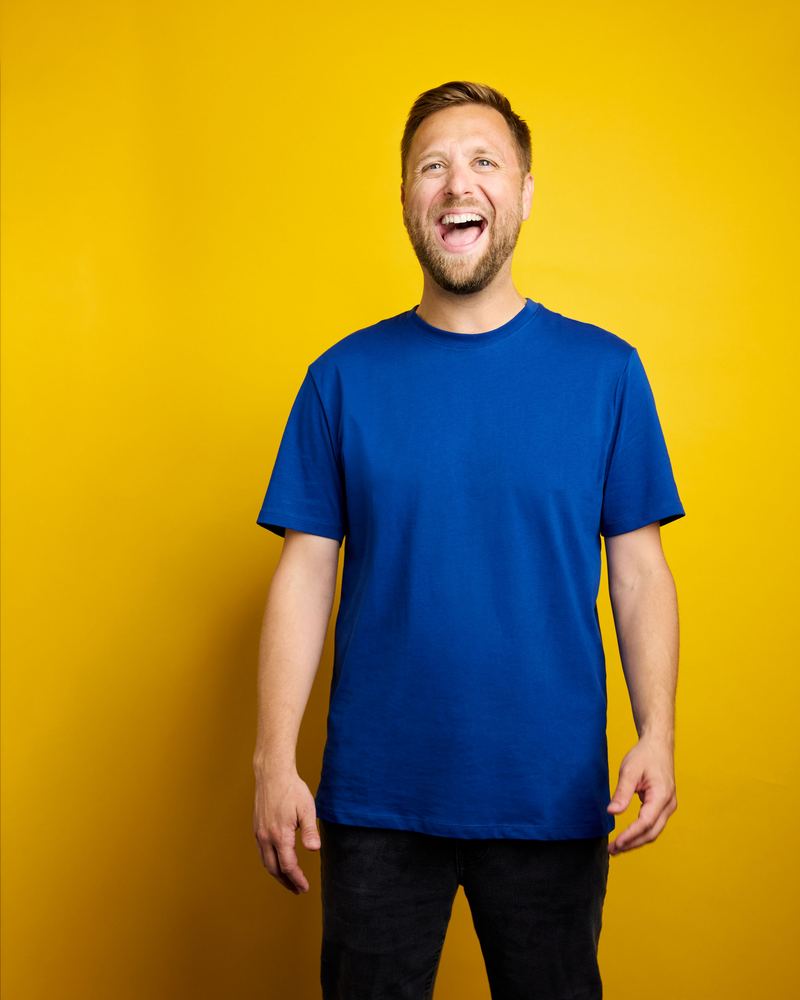
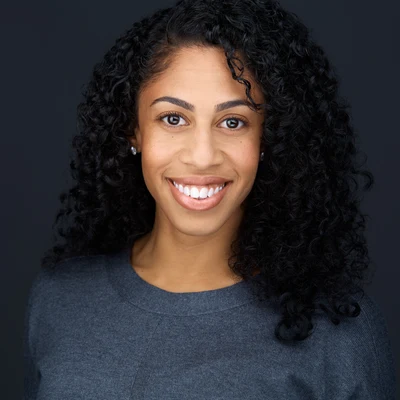
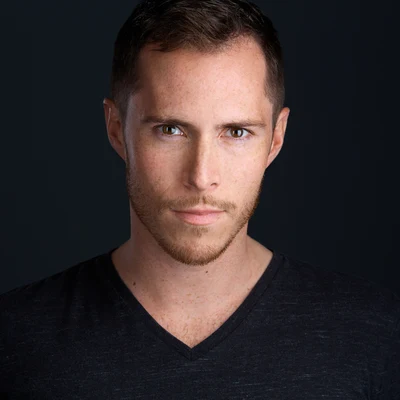
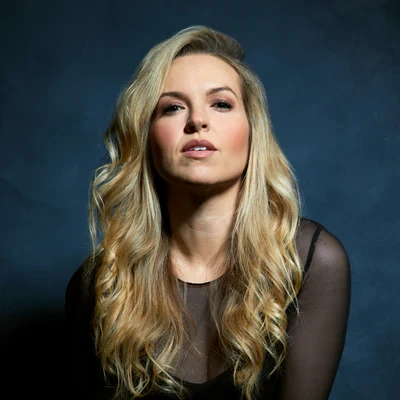
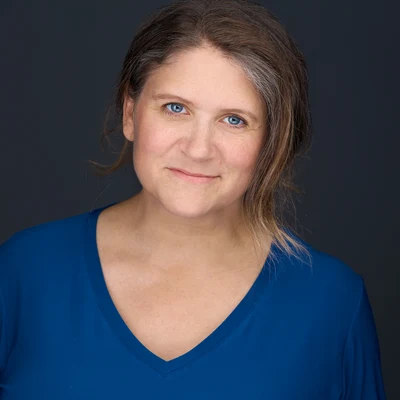
Theatre actors can work with one strong look. The industry standard is two, one showing your teeth and one closed-mouth, which is what film really needs. Beyond that it depends on what you’re actually submitting and using. Some film actors want eight or ten. Some want content for social media, or a different vibe for their IMDb. Some do stand-up or improv and need something different. In one shoot you can get all of it. Even if you’re not sure you’ll use everything right now, those images stay in my archives, so if something comes up six months from now, an audition, a cabaret, a stand-up gig, you already have it.
03
What’s the difference between a theatrical and a commercial headshot?
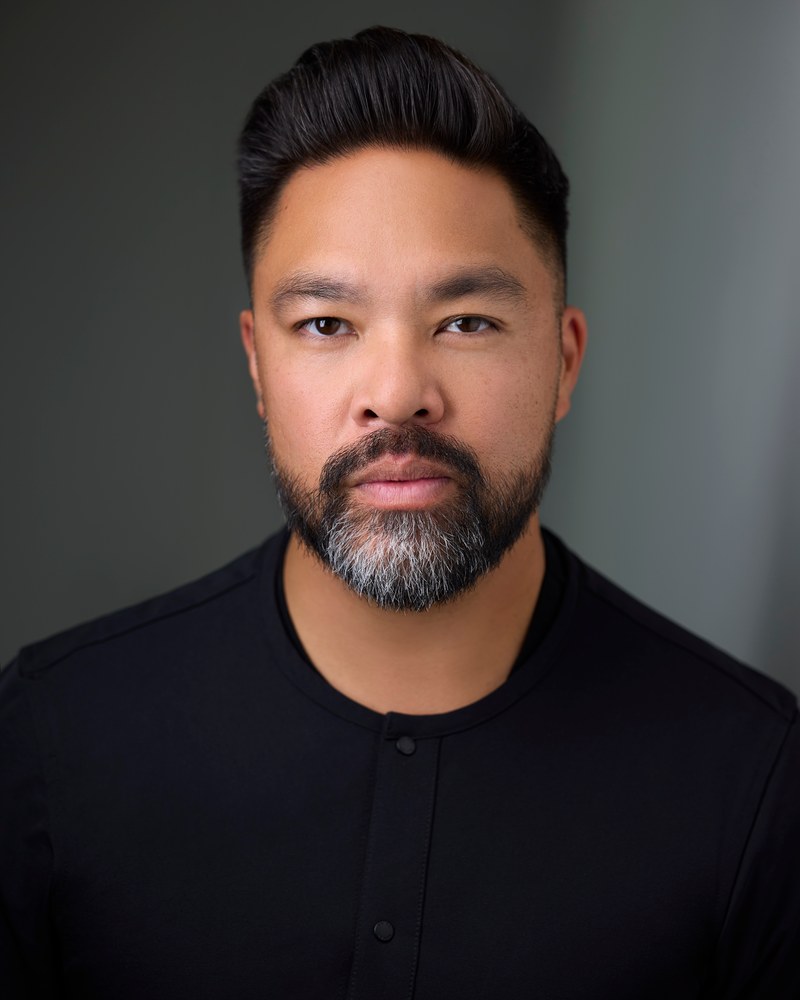
The theatrical frame is usually closed-mouth and more grounded; the commercial one shows teeth and reads warmer and more open. The names shift depending who’s asking — some agents and casting directors say theatrical and commercial, others say dramatic and comedic, and they map roughly the same way. There’s often a third, character, sitting off to the side of both. Knowing your type is worth it because it’s how casting talks, but you’re more than a label, and the actors who do well know the language well enough to work inside it while still letting their own range show. If you don’t know your type yet, that’s normal. It only really shows up through doing the work and noticing what you land. We can talk it through in the session, or skip it if you already have it figured out.
04
I’m getting cast, but always as the same thing. Should I change my headshot?
Not the one that’s working. If a photo is getting you in the door for roles you’re landing, it has a job and it should keep doing it. What’s worth building is everything around it: range casting hasn’t seen from you yet. Not one alternate shot. Actual depth, so that when a different kind of room opens up you already have something honest to send.
05
Can I see the photos while we’re shooting?
Yes — that’s how I shoot. Every frame goes straight into the computer, so we look at them together as we go, cut what isn’t landing and build on what is. You’re directing the session as much as I am, and neither of us is guessing.
06
When do I get the final images?
Retouched final images are delivered within five business days of selecting your picks. If you’ve got an audition coming up and need something sooner, let me know and we’ll work to it. Deadlines shift things, and I’d rather get you what you need when you need it. You get high resolution files, web sized versions for the casting platforms, and print ready 8×10s, all of it.
07
Do I still need prints?
One or two on hand, just in case, and that’s about it. Submissions are digital now, and most casting directors and artistic directors will turn a print away because they already have it on screen. The days of printing two hundred headshots for a season of auditions are gone. Your finals include print ready 8×10s, so printing a couple is easy. Your name across the bottom matters less than it used to, as well. That was for when the headshot got stapled to a résumé and the two came apart, so a face could be matched to the credits. The digital file carries your name now.
08
Black and white or colour?
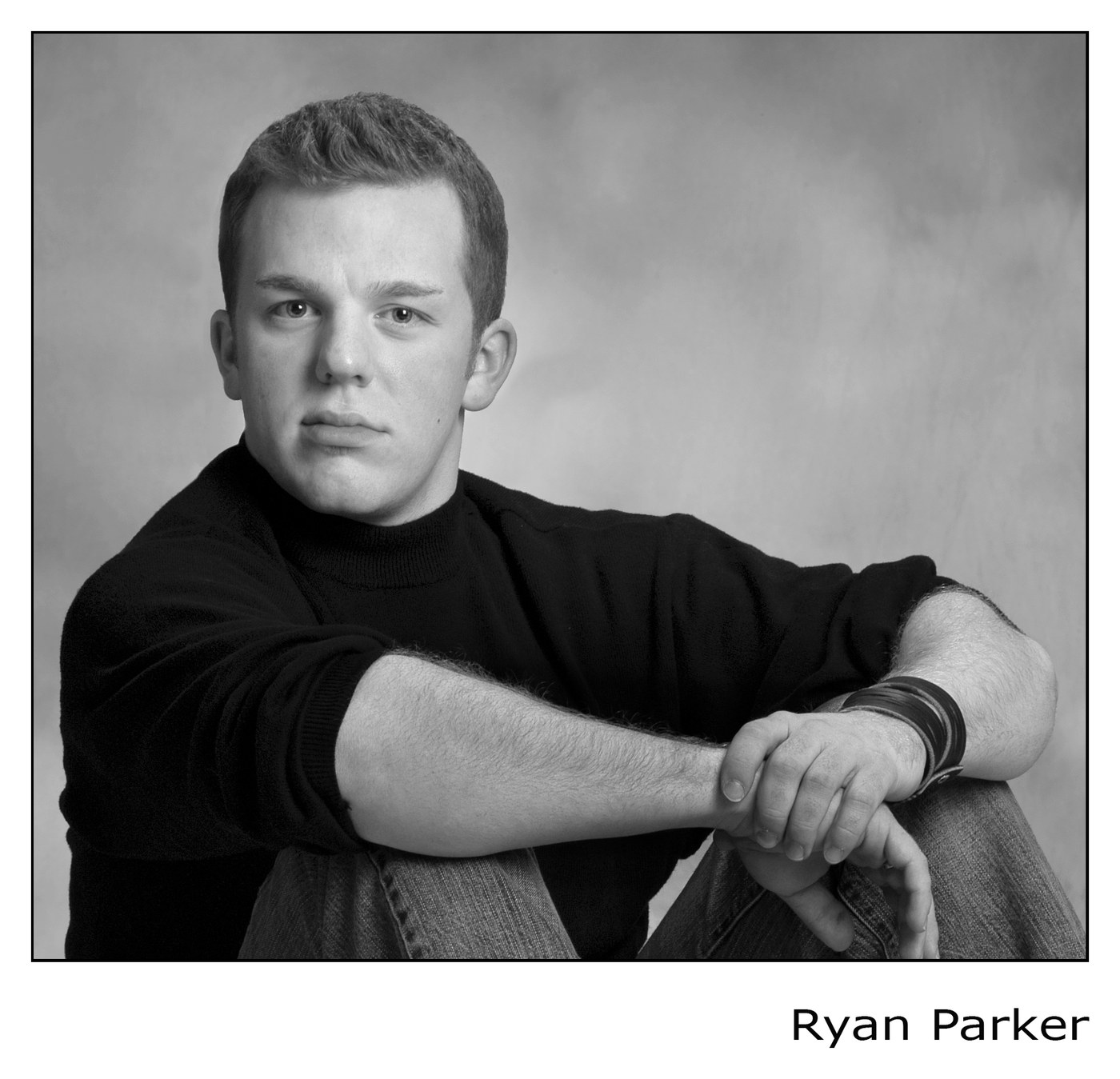
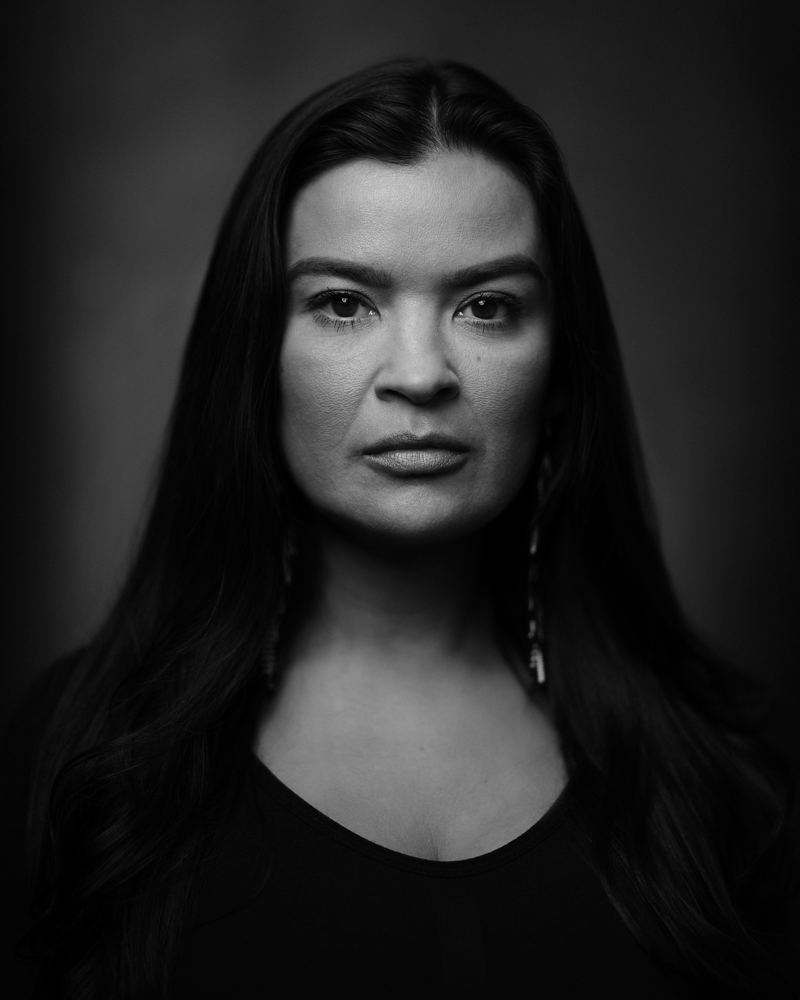
Colour, all the way. Black and white comes from when headshots were shot on film and it was the cost effective route for the photographer and the actor both, and before that from when television was black and white and they needed to see what you’d look like in it. If you want a black and white version for your social, your website or the program bio, that’s an easy conversion after the fact, at no extra cost.
09
How much retouching do you do?
I retouch naturally, removing temporary imperfections that distract from your face and expression, things like a blemish that’ll be gone in a week. Permanent features stay. You see all the retouching, you have final say, and you can ask for anything else. Revisions are unlimited and free, and nothing is finalized until you approve it.
10
Do you shoot in studio or on location?
Actor sessions are in studio. Location work pulls focus away from what matters here, which is you and the light and the connection between us. In studio I can shape everything to serve your face and your expression.
11
How often should I update?
When you stop looking like your headshot, obviously. But beyond that, update when you’ve grown as an actor: booked work, built confidence, shifted your energy. A headshot from when you were starting out reads differently than one from after a year of consistent work. It’s a chance to redefine yourself to casting directors and artistic directors, and to yourself, showing who you know you can become.
12
What look should I go for?
Whatever’s in production shifts what a casting call wants to see, and it shifts on a cycle. Hell on Wheels shot in Alberta for five seasons, and that meant a Western look, with agents telling actors to grow their hair out ahead of the season. Heartland is the Hallmark look. The Last of Us came through and, in its way, asked for the hair again. Theatre runs on a different clock, where general auditions come round each year and most actors want something current to walk in with. We talk about all of this before we shoot.
13
Do theatre and film want different headshots?
Often, yes, in what they look for. Theatre casting is usually led by the people directing the thing, and imagining is their job, so one honest photograph can be enough. Film and television run through more hands, with people weighing budget and marketability alongside the creative call, so the photograph has to do more of the imagining for you. That’s why film headshots lean literal, right down to the look, the hair and the register. How many you need is a different question. One can be enough for either, and theatre actors often want more anyway: one for the website, one for social, a different one for the program bio. We shoot enough that you can decide that afterwards.
14
Do you do hair and makeup?
I work with hair and makeup artists and can book one for your session. They stay through the test shot to make any adjustments, then pack up once we start shooting. If you’d like them there for touch-ups and new looks between wardrobe changes, tell me when you book, since that’s a bigger booking for them.
15
What should I wear?
Your own clothes. You’ll get prep notes before the session, and we go through what to bring so the looks are yours rather than a costume.
16
What if I’ve never had a headshot taken before?
Common, and fine. You’ll get prep notes ahead of the session, and as much direction as you want during it. Nobody knows how to do this until they’ve done it, and you’ll be doing it more than once.